Side Dish: United States – Crispy Smashed Potatoes with Charred Scallion Vinaigrette
Food safety reminder: Follow safe food-handling practices and use a food thermometer to verify safe internal cooking temperatures.
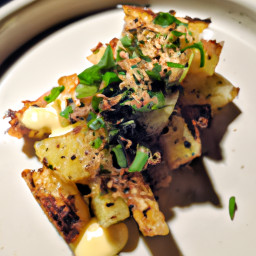
Ingredients
U.S. measurements first, metric equivalents in parentheses. Conversions are approximate; oz means weight ounces, not fluid ounces.
2 lb (900 g) small Yukon Gold potatoes
1 tbsp (15 ml) kosher salt, plus more to taste
1 / 2 tsp (2.5 ml) baking soda
3 tbsp (45 ml) olive oil, divided
Freshly ground black pepper, to taste
1 bunch scallions
1 tsp (5 ml) Dijon mustard
1 tsp (5 ml) honey
1 tsp (5 ml) finely grated lemon zest
2 tbsp (30 ml) fresh lemon juice
1 tbsp (15 ml) red wine vinegar
1 / 4 tsp (1.25 ml) red pepper flakes (or Aleppo pepper)
1 / 4 cup (60 ml) extra-virgin olive oil
2 tbsp (30 ml) chopped fresh chives (optional)
Show original ingredient measurements
2 lb (900 g) small Yukon Gold potatoes
1 tbsp kosher salt, plus more to taste
1 / 2 tsp baking soda
3 tbsp olive oil, divided
Freshly ground black pepper, to taste
1 bunch scallions
1 tsp Dijon mustard
1 tsp honey
1 tsp finely grated lemon zest
2 tbsp fresh lemon juice
1 tbsp red wine vinegar
1 / 4 tsp red pepper flakes (or Aleppo pepper)
1 / 4 cup (60 ml) extra-virgin olive oil
2 tbsp chopped fresh chives (optional)
Instructions
U.S. measurements first, metric equivalents in parentheses. Conversions are approximate.
Heat oven to 450°F (230°C). Place a rimmed baking sheet on the middle rack to preheat.
Place potatoes in a pot, cover with cold water by 1 inch (2.54 cm), add 1 tablespoon (15 ml) kosher salt and the baking soda. Bring to a boil and simmer until tender when pierced, 12–15 minutes. Drain and let steam dry 5 minutes.
Carefully remove the hot baking sheet, add 2 tablespoons (30 ml) olive oil, and tilt to coat. Arrange potatoes on the sheet and gently smash each to about 1/2 inch (1.27 cm) thick. Drizzle with the remaining 1 tablespoon (15 ml) olive oil; season with salt and black pepper.
Roast 20 minutes, then flip and roast 15–20 minutes more until deeply crisp and golden.
While potatoes roast, toss scallions with a light drizzle of oil. Add to the baking sheet for the last 8–10 minutes, turning once, until charred and tender. Cool slightly, then finely chop.
Make the vinaigrette: In a bowl, whisk Dijon, honey, lemon zest, lemon juice, red wine vinegar, red pepper flakes, and a pinch of salt. Slowly whisk in the extra-virgin olive oil until emulsified. Stir in the chopped charred scallions.
Transfer hot potatoes to a bowl, drizzle with most of the vinaigrette, and toss to coat. Taste and adjust salt and pepper. Scatter with chives (if using) and serve warm with extra vinaigrette alongside.
Show original instructions
Heat oven to 450°F (230°C). Place a rimmed baking sheet on the middle rack to preheat.
Place potatoes in a pot, cover with cold water by 1 inch, add 1 tablespoon kosher salt and the baking soda. Bring to a boil and simmer until tender when pierced, 12–15 minutes. Drain and let steam dry 5 minutes.
Carefully remove the hot baking sheet, add 2 tablespoons olive oil, and tilt to coat. Arrange potatoes on the sheet and gently smash each to about 1/2 inch thick. Drizzle with the remaining 1 tablespoon olive oil; season with salt and black pepper.
Roast 20 minutes, then flip and roast 15–20 minutes more until deeply crisp and golden.
While potatoes roast, toss scallions with a light drizzle of oil. Add to the baking sheet for the last 8–10 minutes, turning once, until charred and tender. Cool slightly, then finely chop.
Make the vinaigrette: In a bowl, whisk Dijon, honey, lemon zest, lemon juice, red wine vinegar, red pepper flakes, and a pinch of salt. Slowly whisk in the extra-virgin olive oil until emulsified. Stir in the chopped charred scallions.
Transfer hot potatoes to a bowl, drizzle with most of the vinaigrette, and toss to coat. Taste and adjust salt and pepper. Scatter with chives (if using) and serve warm with extra vinaigrette alongside.
Per serving | Servings: 4
Generated: 2026-11-05T19:35:12+00:00
*Values are estimates based on USDA data and mathematical calculations. Actual values may vary. Where data are unavailable, those contributions are excluded. Calories, Carbohydrates, Protein, Fat, Saturated fat, Fiber, Sugar, Sodium, Potassium, Calcium, Iron, Vitamin A and Vitamin C are known subtotals. Missing contributions are unknown, not zero.