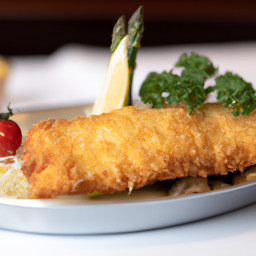
Entrée: Germany – Schweineschnitzel (Breaded Cutlet)
Food safety reminder: Follow safe food-handling practices and use a food thermometer to verify safe internal cooking temperatures.
Ingredients
U.S. measurements first, metric equivalents in parentheses. Conversions are approximate; oz means weight ounces, not fluid ounces.
4 boneless pork loin cutlets (4 to 5 oz (115 to 140 g) each)
1 tsp (5 ml) kosher salt, plus more to taste
1/2 tsp (2.5 ml) freshly ground black pepper
1 cup (240 ml) all-purpose flour (4 1/4 oz (120 g))
2 large eggs
1 tbsp (15 ml) Dijon mustard (optional, for the egg wash)
2 tbsp (30 ml) milk (2 tbsp (30 ml))
2 cups (480 ml) fine, dry breadcrumbs (not panko) (6 3/8 oz (180 g))
1/2 tsp (2.5 ml) sweet paprika (optional)
1/4 tsp (1.25 ml) garlic powder (optional)
1 cup (240 ml) neutral oil (such as canola or sunflower), for shallow frying (1 cup (240 ml))
2 tbsp (30 ml) unsalted butter (1 oz (28 g))
Lemon wedges, for serving
Chopped fresh parsley, for garnish (optional)
Show original ingredient measurements
4 boneless pork loin cutlets (4 to 5 oz / 115 to 140 g each)
1 tsp kosher salt, plus more to taste
1/2 tsp freshly ground black pepper
1 cup all-purpose flour (120 g)
2 large eggs
1 tbsp Dijon mustard (optional, for the egg wash)
2 tbsp milk (30 ml)
2 cups fine, dry breadcrumbs (not panko) (180 g)
1/2 tsp sweet paprika (optional)
1/4 tsp garlic powder (optional)
1 cup neutral oil (such as canola or sunflower), for shallow frying (240 ml)
2 tbsp unsalted butter (28 g)
Lemon wedges, for serving
Chopped fresh parsley, for garnish (optional)
Instructions
U.S. measurements first, metric equivalents in parentheses. Conversions are approximate.
1. Place each pork cutlet between sheets of plastic wrap or parchment and pound to about 1/4 inch (0.635 cm) thickness. Trim ragged edges if needed.
2. Pat dry and season both sides with the salt and pepper.
3. Set up a breading station: put flour in one shallow dish; in a second dish, whisk eggs with Dijon and milk until smooth; in a third dish, combine breadcrumbs with paprika and garlic powder if using.
4. Working one piece at a time, dredge pork in flour and shake off excess. Dip in egg mixture, letting excess drip, then press into breadcrumbs until evenly coated. Transfer to a wire rack and rest 5 to 10 minutes so the coating adheres.
5. Heat the oil in a large wide skillet over medium to medium-high heat to about 350°F (175°C). Add the butter and let it foam.
6. Fry schnitzels 1 or 2 at a time without crowding, 2 to 3 minutes per side, until deeply golden and just cooked through (internal temperature about 145°F/63°C). Adjust heat to maintain a steady sizzle.
7. Transfer to a rack set over a sheet pan and season lightly with salt. Repeat with remaining cutlets, adding oil as needed.
8. Serve immediately with lemon wedges and a sprinkle of parsley.
Show original instructions
1. Place each pork cutlet between sheets of plastic wrap or parchment and pound to about 1/4 inch thickness. Trim ragged edges if needed.
2. Pat dry and season both sides with the salt and pepper.
3. Set up a breading station: put flour in one shallow dish; in a second dish, whisk eggs with Dijon and milk until smooth; in a third dish, combine breadcrumbs with paprika and garlic powder if using.
4. Working one piece at a time, dredge pork in flour and shake off excess. Dip in egg mixture, letting excess drip, then press into breadcrumbs until evenly coated. Transfer to a wire rack and rest 5 to 10 minutes so the coating adheres.
5. Heat the oil in a large wide skillet over medium to medium-high heat to about 350°F (175°C). Add the butter and let it foam.
6. Fry schnitzels 1 or 2 at a time without crowding, 2 to 3 minutes per side, until deeply golden and just cooked through (internal temperature about 145°F/63°C). Adjust heat to maintain a steady sizzle.
7. Transfer to a rack set over a sheet pan and season lightly with salt. Repeat with remaining cutlets, adding oil as needed.
8. Serve immediately with lemon wedges and a sprinkle of parsley.
Per serving | Servings: 4
Generated: 2026-11-05T19:34:37+00:00
*Values are estimates based on USDA data and mathematical calculations. Actual values may vary. Where data are unavailable, those contributions are excluded. Calories, Carbohydrates, Protein, Fat, Saturated fat, Cholesterol, Fiber, Sugar, Sodium, Potassium, Calcium, Iron, Vitamin A, Vitamin C and Vitamin D are known subtotals. Missing contributions are unknown, not zero.